Lessons from Bridge Seat Co-op #4: Into the Woods We Go
How to help your community explore the fediverse with you

Lessons from Bridge Seat Cooperative (2023-2025)
- Introducing the Bridge Seat Cooperative
- A Bridge Too Far
- In Defence of Servers
- Into the Woods We Go (this one)
- Competing Digital Cages or Cooperative Digital Cafes?
This is one more of the pieces written for the Bridge Seat Cooperative blog, which I'm updating and reposting here so people can read them, along with the launch announcement and the shutdown debrief, without going anywhere near SS.
This one was focused on the challenges of replacing FarceBook. But the same principles apply to any attempt by a community to replace a proprietary, swiss-army knife platform, using lock-in tactics to keep you there, including Slick/ Miscord, and TeleGrab/ Signal. If I haven't already, I intend to publish pieces like this on how to approach replacing each of the main types of corporate platform.
How to help your community explore the fediverse with you
Social media is only as useful as it is social. It doesn’t matter how good the network or the apps are, if the people you want to connect with aren’t there.
So if you want to move from a DataFarming platform to a new kind of social network, like the fediverse or matrix, it’s going to be more useful to you - and potentially to others - if you bring your community with you. In other words, rather than thinking about social web services as another set of 'platforms', competing with the DataFarms for atomised 'users', we need to reframe the social web as as a special case of community organising.
So what does that look like in practice?
Back in 2020, a series of posts on the website of video activist network EngageMedia explored some of the problems with social media DataFarms, and the prospects of replacing FarceBook with fediverse technologies. The third piece in the series talked about some of the transition challenges involved, and one commenter asked:
"... just how does one switch from Facebook to Fediverse – anyway?"
This is a good question. Firstly, it’s important to temper expectations. The fediverse is a pioneering social network full of overlapping communities, many of which are fun and insightful to talk with. But it's also an ongoing experiment in social web technology, and none of the available software offers the full range of features that FarceBook currently does. Although many have tried, and people still occasionally (and mistakenly) recommend them as Farcebook replacements, Friendica being the most common example.
What I suggest is that you make joining the fediverse a collective project. Get together with a bunch of friends, or people from your community, and make a plan. What are some questions you might ask if you were going tramping for a few days in the forest?
- Where are you walking to? Get together and clarify what you want to get out of using social software.
- Do you have a checklist of what gear you all need to tramp safely? Make a list of the minimum features you need for the way you want to use social software.
- Got a topographic map and a compass? Read about the route you plan to walk? Checked the weather forecast for the area? Do some reading about the different fediverse apps available, and the people hosting servers that run them, and which combination of these could provide the features you need.
- Have you helped each other check the gear you've packed against the checklist? Divide up the resulting shortlist of software between your group, so everyone can focus on thoroughly testing one or two of them.
- Off you go into the forest, together, and well prepared! Come together to share your testing experiences and decide what software you're going to use together, and which app you'll use for each feature you need. This is easier than it was before federated networks, where you all needed a separate account on every replacement service. One fediverse account can be used to follow and interact with a range of different services.
At this point, what you might discover is that the fediverse (and other open social networks like matrix) can serve some of your group's needs, but not others. That's OK. Use the ethical replacements as much as you can, and use the DataFarming platforms only for things you can't find a good replacement for yet. Share detailed information about the needs that aren't being met by the ethical replacements, so that developers can try to meet them with future versions of their software, or new software projects and hosted services.
Now, all of this presumes a group of people who you can get together, to talk all this over. Even then, it's well known among social scientists that a community can't just be transplanted from one gathering place to another - in person or online - and just carry on as before. But for many people, social media platforms have created new, more diffuse styles of community, whose only shared way to communicate with each other is on that platform. So if your community crystalised in FarceBook groups, for example, here’s a few ideas on how you might encourage more of them to join you in the ‘verse.
- Actively shoulder-tap people on the platform. Tell them how their posts help you meet your needs, and that you'd love to follow them in a network that can be owned and controlled by the people using it, not by a single corporation.
- Write a brief guide to making the transition. Targeted at the specific needs and interests of people who make up the slice of FarceBook you want to recreate in the ‘verse. Share it widely with them, on FarceBook, and through other channels where they can be found.
- Offer to help people make the switch. Then explain what makes the 'verse fundamentally different from FarceBook and other DataFarms, or centralised replacements like Minds or Signal (one of my original examples was CoHost, 'nuff said). If there are in-person events where your community gather, like meetups or conferences, talk to people there and make the offer to help.
- Spread the word where your community reads. Get articles and letters published for magazines, journals, and other media popular in your community, doing all of the above.
- Be a squeaky wheel. Give detailed feedback to developers about how the software could meet the needs of your people.
The details will vary, but the same principles apply to encouraging people you enjoy interacting with on Reddit and other DataFarming platforms to make the move.
So far, the fediverse movement has mostly relied on the idea that 'if you build it they will come'. We haven't had the resources to do much more. But growing the ‘verse from a network of experimenters into the mainstream public utility it has the potential to be, requires organising. Lots of it.
Here’s a good example, a video intro to the fediverse by Michelle May, aimed at fibre crafters (people into sewing, knitting etc). In about 15 minutes, Michelle explains the general concepts, how it contrasts with the DataFarms, why a person may or may not want to join, and how to do so. All using simple language, good humour, and a non-judgemental attitude.
I truly believe that in the medium-to-long term, we can replace all corporate platforms with community-developed Free Code software, community-hosting of servers, and distributed ("P2P") networks. But the only way we're going to get there, is together.
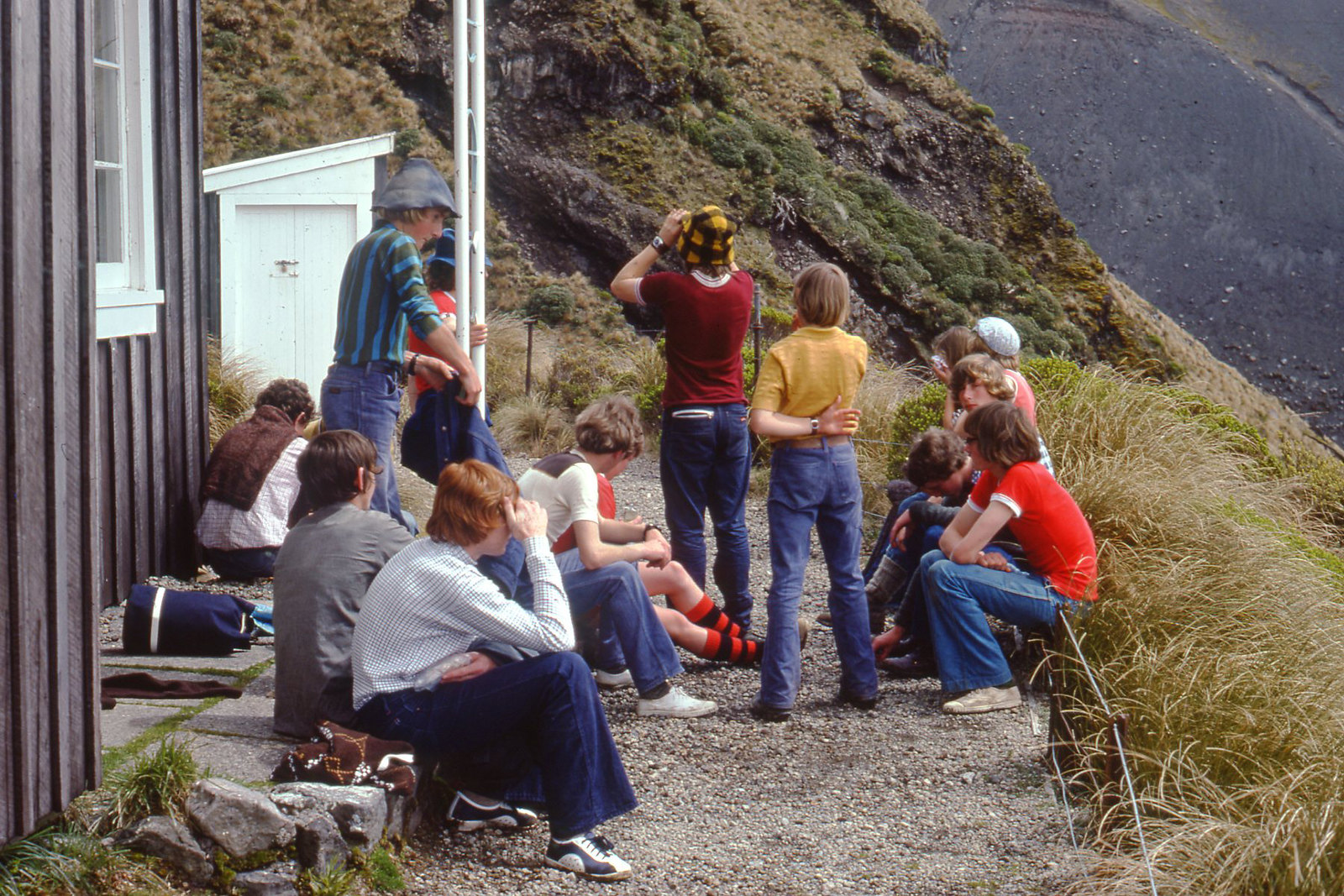
Image:
"Spotswood College Tramping Club, Tahurangi Hut, Taranaki, New Zealand, 1969", licensed CC BY 2.0.